
From Financial Education to Real Opportunity
Lessons from the CBA Summit: Credit Cleared for Takeoff
by Maria Paulino
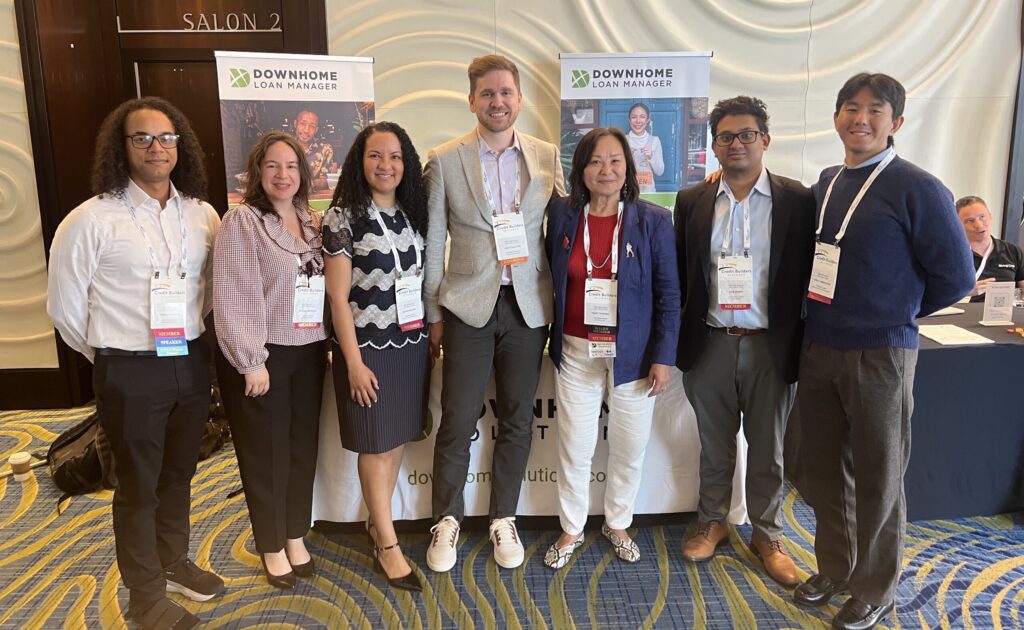
Earlier this June, Accompany Capital joined credit-building practitioners from across the country at the Credit Builders Alliance’s Credit Cleared for Takeoff summit to discuss ways that aligning readiness, access, and sustainability can turn financial education into lasting economic mobility.
- Readiness begins with meeting clients where they are, understanding their starting point, goals, and challenges, while assessing financial and operational capacity to ensure they are positioned to leverage opportunities.
- Access focuses on connecting individuals to the systems and resources that shape their financial lives, including relevant education, trusted networks, mentorship, and inclusive financial products.
- Sustainability centers on long-term stability, supporting asset-building strategies that allow individuals and families to create and transfer wealth across generations.
We see this every day with our own clients: lasting change happens when people have the tools, the access, and the support to act on their goals.
Across Diverse Populations, Effective Programs Share Several Core Features
These include financial coaching that supports credit building, savings, and goal setting; entrepreneurship initiatives that empower young people to create, lead, and earn; and matched savings programs that turn disciplined habits into tangible assets. Together, these models highlight the power of pairing education with opportunity, demonstrating how integrated approaches can drive meaningful, measurable outcomes.
One example highlighted at the summit – a new pilot rent reporting program from CBA and Rocket Community Fund in Detroit – showed how a simple systems-level change can drive meaningful impact. For many Detroiters, home ownership, a cornerstone of generational wealth, has remained out of reach due to low or nonexistent credit histories, despite strong work ethics and financial potential. The pilot’s innovative approach leverages on-time rent payments to help individuals build credit, turning a routine expense into a steppingstone toward home ownership. “Rent reporting is an opportunity for those who have been excluded to have a seat at the table,” said Dara Duguay, CEO of Credit Builders Alliance.
AI Opportunities and Risks
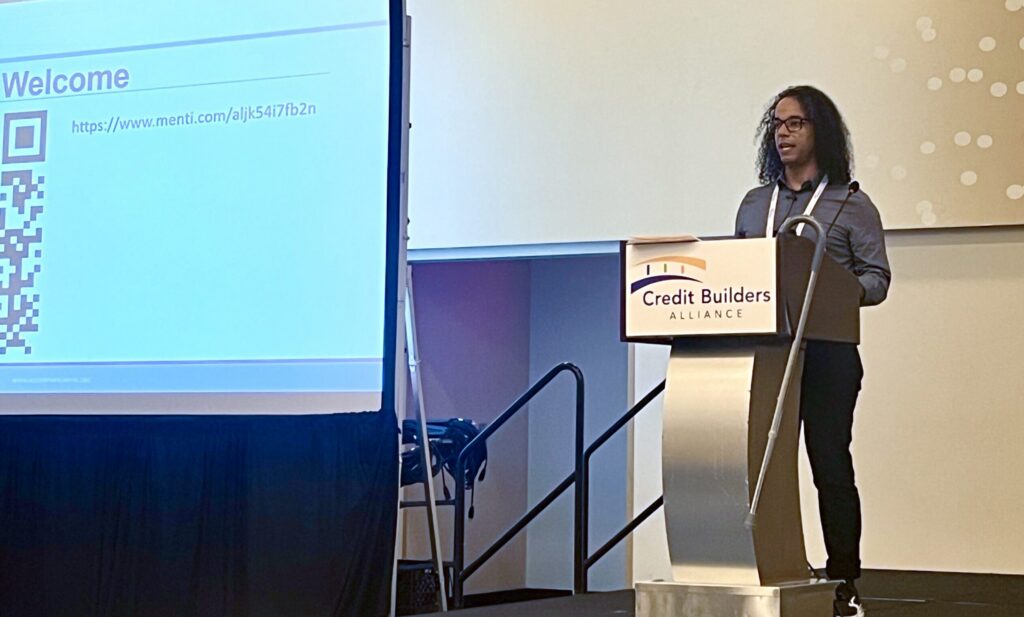
Accompany Capital Data Specialist – and CBA accredited Asset Master Trainer – Roberto Evans presented on “Credit, Disputes & AI”, highlighting both opportunities and risks for borrowers and lenders. He explained how clients can dispute errors on their credit report and how AI tools are increasingly being used to automate parts of the dispute process, while cautioning that many credit repair companies offer poor, misleading advice, charge high fees, and may even encourage fraudulent practices that can have an adverse effect on a client’s financial situation over time. He noted, however, that while AI can be a valuable resource for understanding credit and exploring financial options, clients should be careful to protect personal information and limit the sharing of sensitive data.
Between conflicting “MoneyTok” advice, growing reliance on AI, and ongoing confusion around credit, the summit underscored the need for clear, credible, culturally relevant financial education from trusted institutions.
A Broader Economic Context
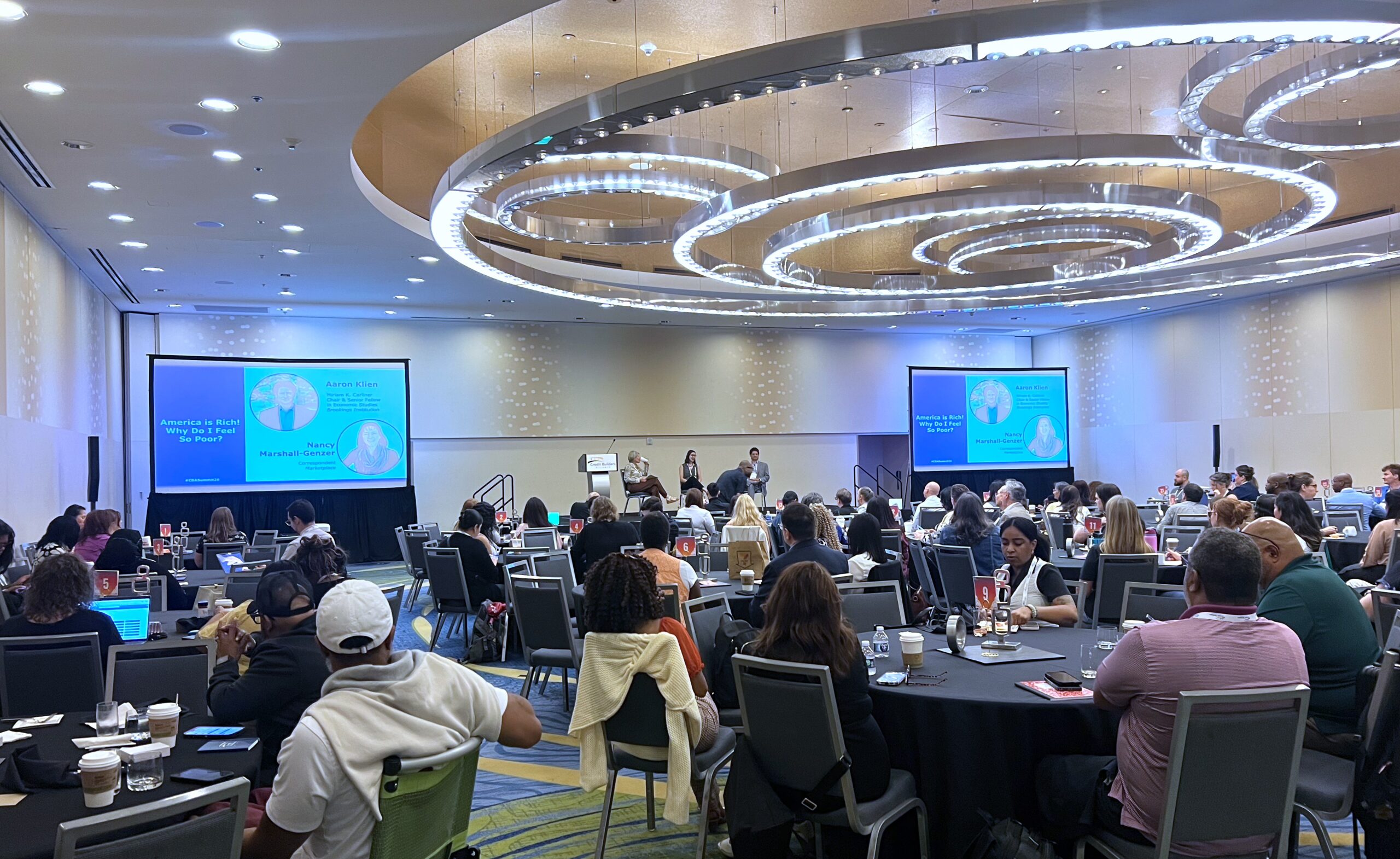
A standout conversation at the summit, “America Is Rich—Why Do I Feel So Poor?”, featured insights from Aaron Klein — a Senior Fellow in Economic Studies at the Brookings Institution — and Nancy Marshall-Genzer — a correspondent for Marketplace, moderated by CBA CEO Dara Duguay.
The discussion highlighted several pressing financial realities, including rising household debt and increasing financial distress. Panelists also pointed to increased credit card spending, raising important questions about whether this trend reflects income growth among higher earners or growing financial strain driven by the rising cost of living. At the same time, ongoing uncertainty around student loan policy has contributed to declining public trust in long-term government support. The conversation also examined the shifting role of government and philanthropy in funding essential services, underscored by Aaron Klein’s reminder that a budget is not a set of numbers, it is a statement of priorities. As public funding tightens, nonprofit organizations face mounting pressure, and philanthropy alone is unable to fill the gap, prompting critical questions about long-term sustainability and the future of financial inclusion efforts.
“Attending the CBA Summit makes you realize the vast variety of communities that are working towards the same goal yet for different purposes,” noted AC’s Loss Mitigation Officer & M/WBE Certification Specialist, Paula Libreros. “Not just small business owners who are seeking finance to grow and expand but the formerly incarcerated who are moving onto their next chapter in life or the Native American communities living in reservations who need access to funding.”
The Summit’s clear takeaway: financial empowerment is a long game. When readiness, access, and sustainability are aligned, small, intentional steps can add up to transformative, generational impact.
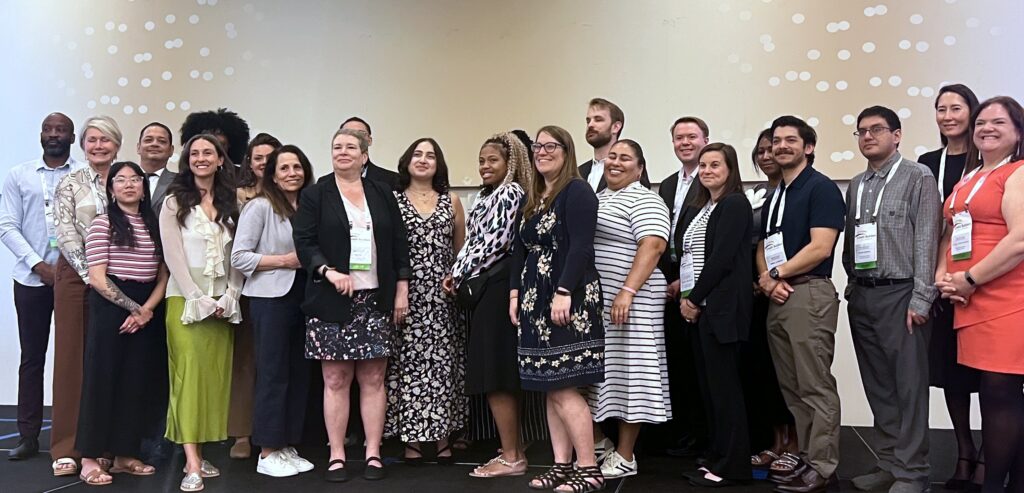
A heartfelt Thanks Dara, Zach, Brooke and the entire CBA team for another outstanding Summit!